2026-06-26
Self-Hire Punting in Cambridge: How to Punt It Yourself
A guide to self-hire punting in Cambridge: what it costs, how hard it is, how to steer a punt, the rules, and honest tips before you take the pole.
 By Jordan Harrington, Cambridge punting guide since 2021
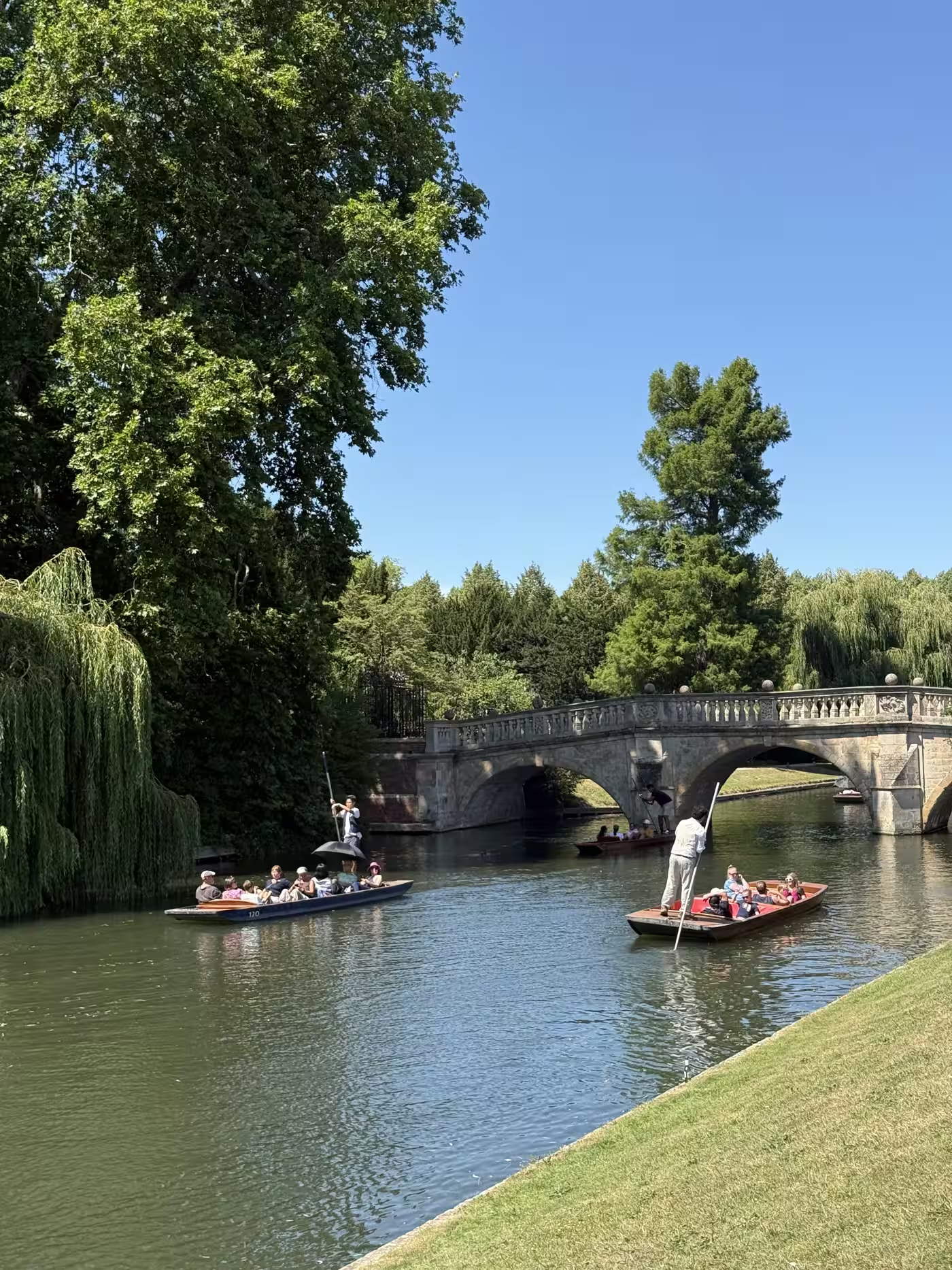
Every summer I watch the same scene play out from the bank: a confident group grabs a self-hire punt, pushes off, and within thirty seconds they are wedged sideways against a moored boat, laughing nervously while the pole drips on someone's lap. It is one of the best afternoons you can have on the Cam, and also one of the easiest to get wrong. I have guided punting tours here since 2021, so here is the honest version of taking the pole yourself.
Should you do self-hire punting in Cambridge?
Do it if you are an adventurous, patient group who wants to mess about on the river and does not mind looking a bit silly while you learn. Skip it, or save it for a second visit, if you want to actually see the colleges in comfort with the history explained, because that first hour of self-hire is mostly spent fighting the pole rather than enjoying the view. For most first-timers a chauffeured tour is the easier, calmer choice.
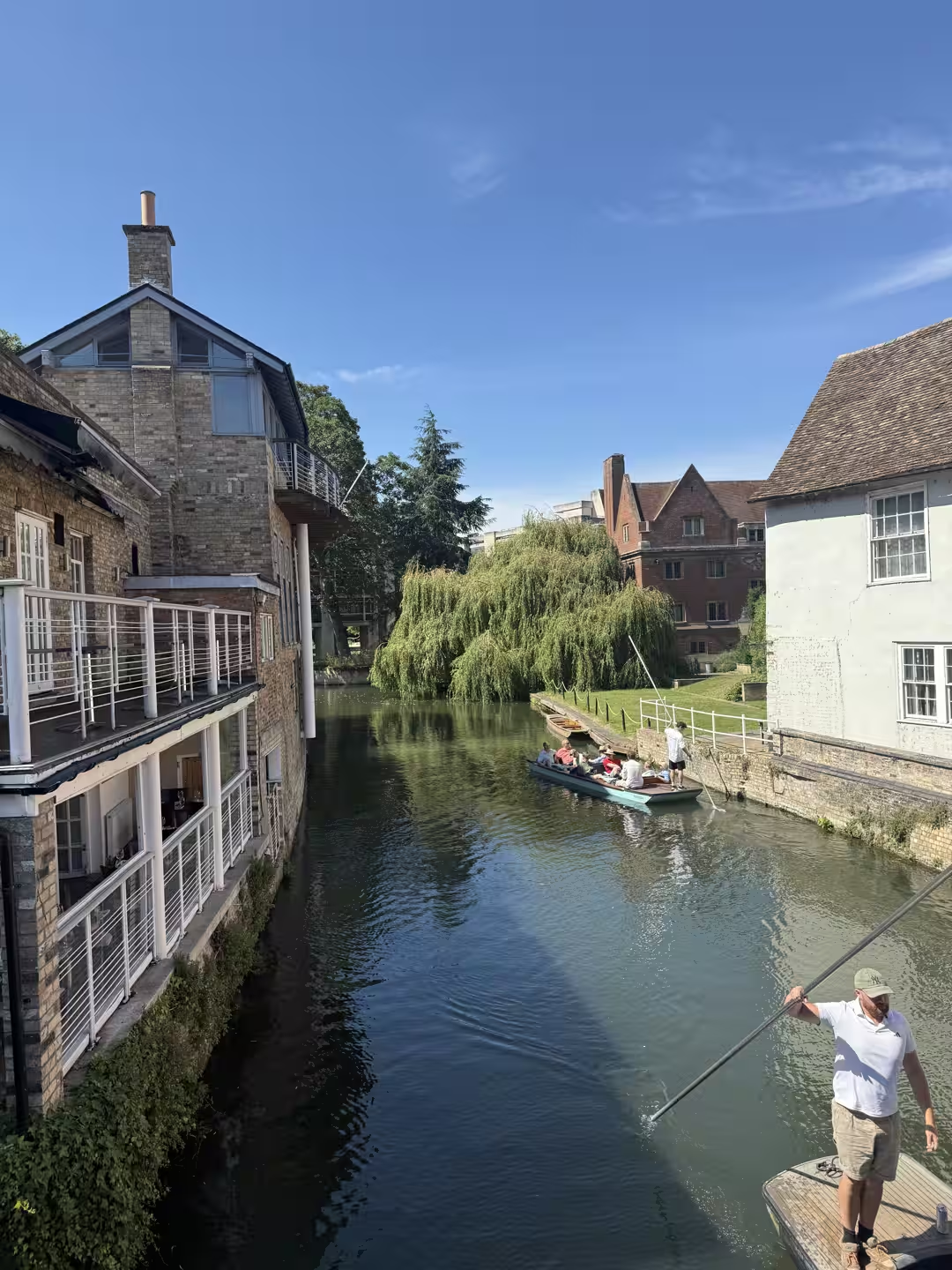
Self-hire is genuinely rewarding. There is a real satisfaction in getting the punt to glide straight under your own power, and it costs less per hour than booking a seat on a guided trip. The catch is the learning curve. Steering a punt is not hard in the way that, say, sailing is hard, but it is fiddly, and it takes most people a good twenty minutes to stop spinning in circles.
The other thing nobody tells you is how busy The Backs gets. On a warm Saturday in July the central stretch fills with other beginners doing exactly what you are doing, plus chauffeured tours threading between them. Learning to punt in that traffic is a lot to take on at once. If you are unsure which way to go, our comparison page lines up the options, and is punting in Cambridge worth it lays out the honest case for both.
Self-hire or chauffeured: which fits you?
Self-hire is cheaper by the hour and gives you freedom, but you do the work and miss the commentary. Chauffeured costs more per person, yet someone trained does the punting and tells you what you are looking at, so you actually see Cambridge instead of staring at the pole. The right one depends on whether you came for the doing or the seeing.
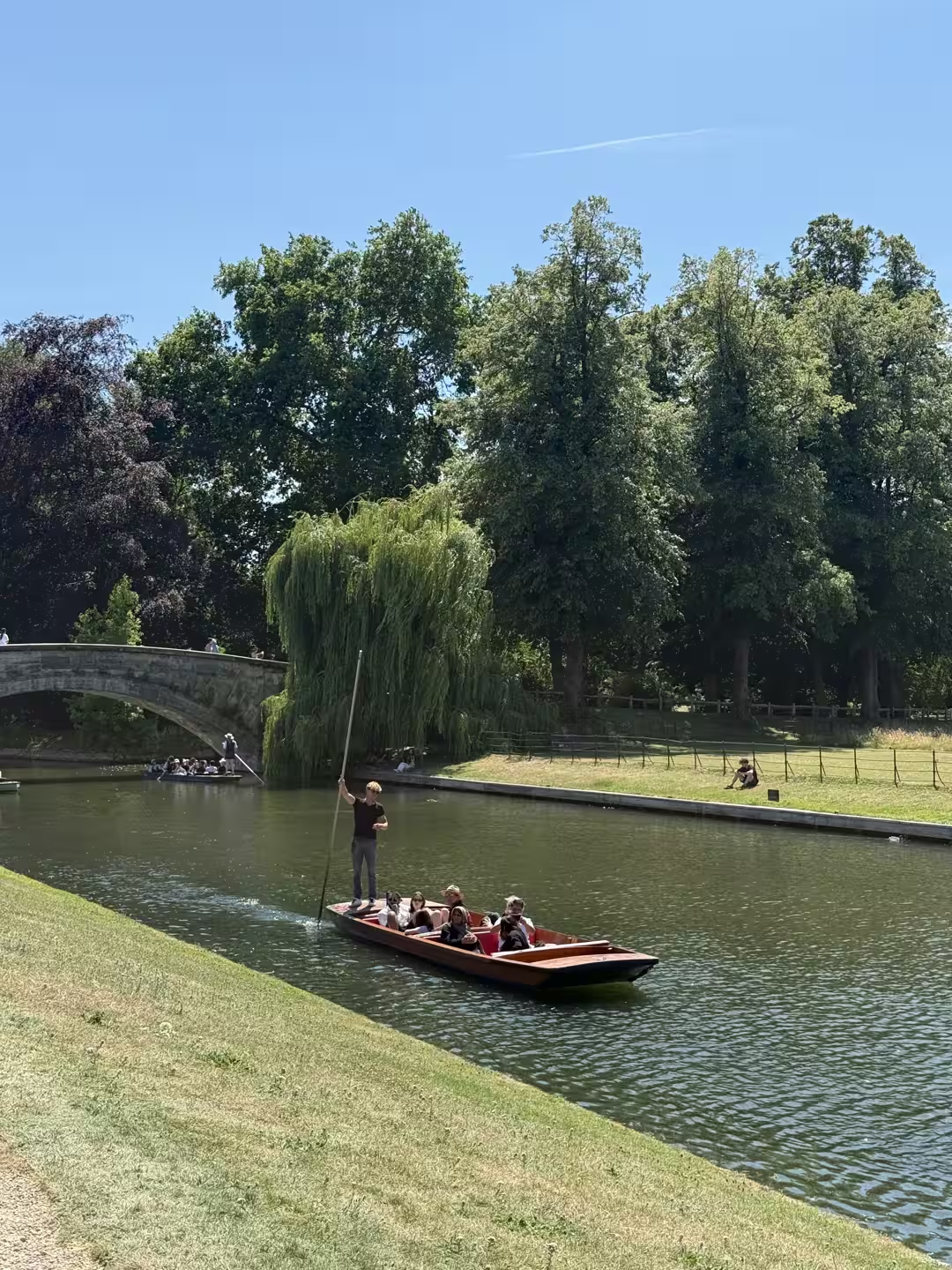
I am not going to talk you out of self-hire if that is what you want, because the doing is half the fun. But be honest with yourself about why you are on the river. If the goal is to relax and take in King's College Chapel from the water, paying someone to punt is money well spent. If the goal is the challenge and the laughs, self-hire is the better buy.
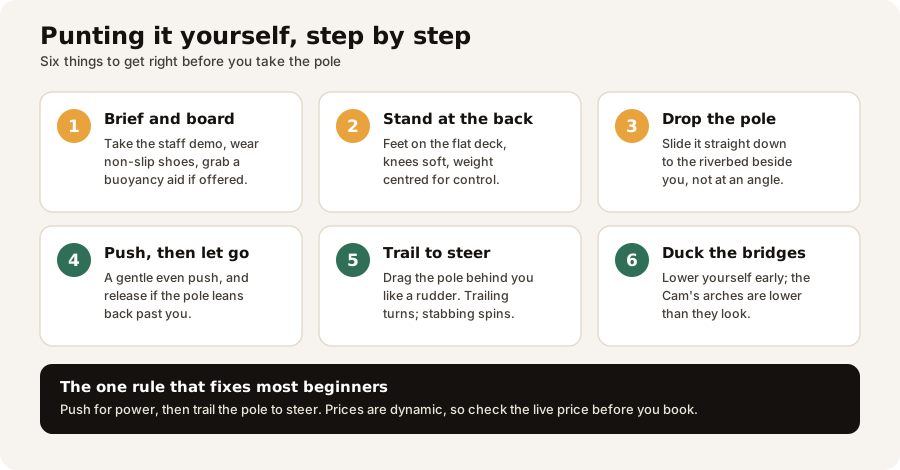 check the live price before you book." width="900" height="470" loading="lazy">
| What matters | Self-hire punt | Chauffeured tour |
|---|---|---|
| Cost shape | Cheaper, charged per boat by the hour | Higher, charged per person for a set route |
| Who does the work | You, with only a quick demo | A trained chauffeur punts and guides |
| The stories | None; you are on your own | Live commentary on the colleges and bridges |
| Effort and skill | Real; expect to learn for the first 20 minutes | None; you just sit and watch |
| Who it suits | Confident, patient groups after a laugh | First-timers, families, anyone wanting the view |
Jordan Harrington's read after five seasons watching both play out on the Cam.
Book your punt
Ready to glide the College Backs?
Shared, private and student-guided punts run daily along the River Cam. See the live price and free-cancellation terms on the operator's official listing before you pay.
Check live availability & prices →4.7 · 1,521 reviews · free cancellation up to 24 hours
What does self-hire punting cost?
Expect roughly £24 to £40 per boat for the first hour depending on the operator, with a deposit taken at check-in, either a card hold or a photo ID left behind. A punt seats up to six, so split between a full group it works out cheap per head. Prices move with season and demand, so always check the live price before you turn up.
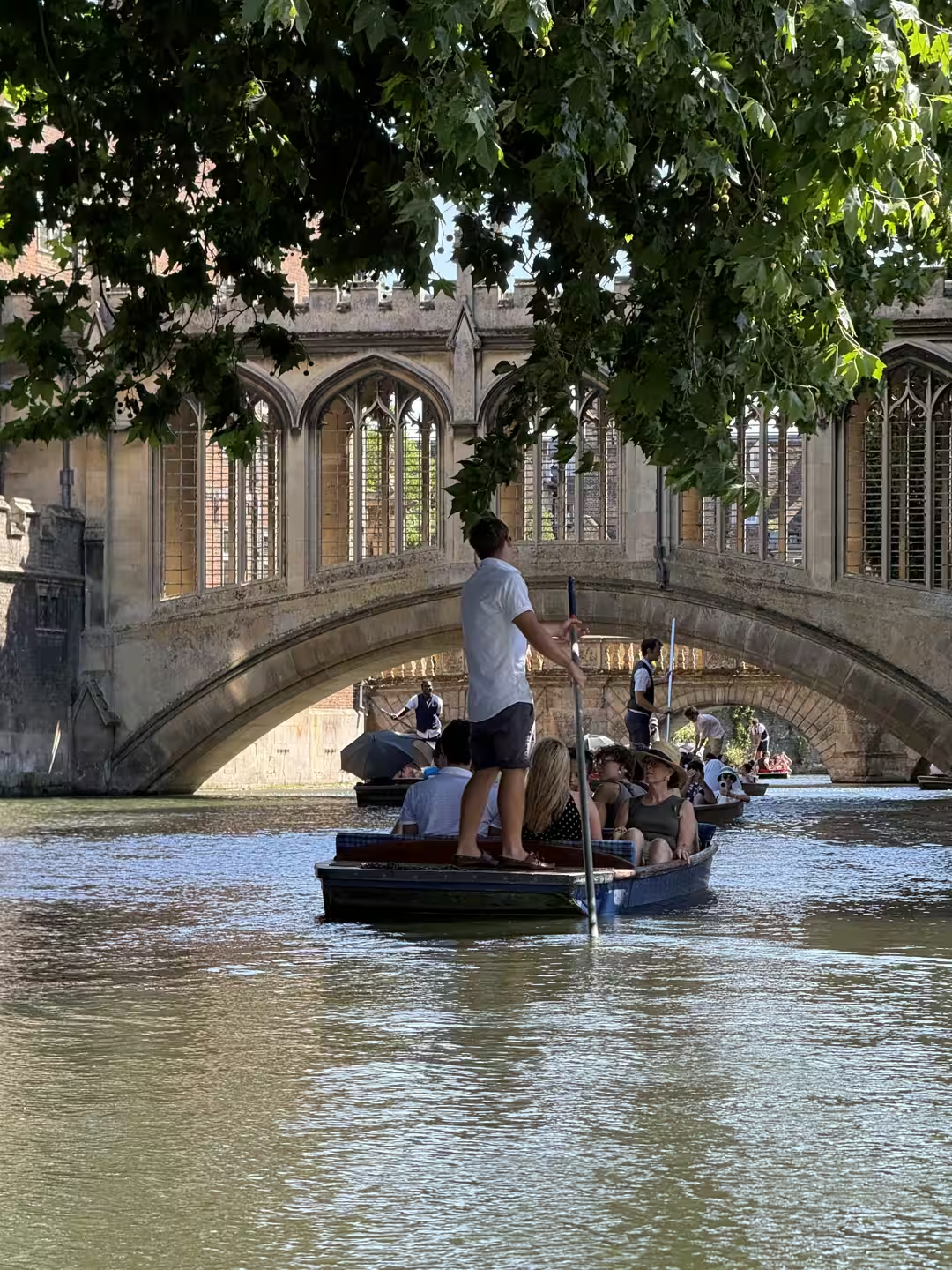
The headline number looks like a bargain next to a guided seat, and for a full boat of confident friends it usually is. Where people get caught out is the deposit and the per-boat-per-hour structure. You are paying for the boat, not the people, and if you overrun your hour the meter keeps running, so keep an eye on the time.
Rates I have seen this season give you a feel for the spread, though they are exactly the kind of figure that shifts, so treat them as a starting point and confirm live.
| Operator and station | Rough self-hire rate | Deposit |
|---|---|---|
| Trinity College (public hire) | Around £24 per hour | Photo ID held |
| Scudamore's (Mill Lane / Quayside) | From around £28.50 per boat for 60 minutes | Contactless card hold |
| Granta Moorings (Mill Pond) | Around £38 per boat for 60 minutes plus | ID held |
Indicative summer 2026 rates per boat; always confirm the current price and any student discount on the operator's own page.
There is a fuller breakdown of how each tour type is charged in our Cambridge punting prices guide, which is worth a read before you decide between self-hire and a seat.
How do you actually steer a punt?
You stand on the flat deck at the back, drop the pole straight down to the riverbed beside the boat, give a gentle push, then trail the pole in the water behind you to steer like a rudder. That trailing motion is the whole secret: stab the pole around and you spin, trail it smoothly and you glide. It clicks for most people inside half an hour of practice.
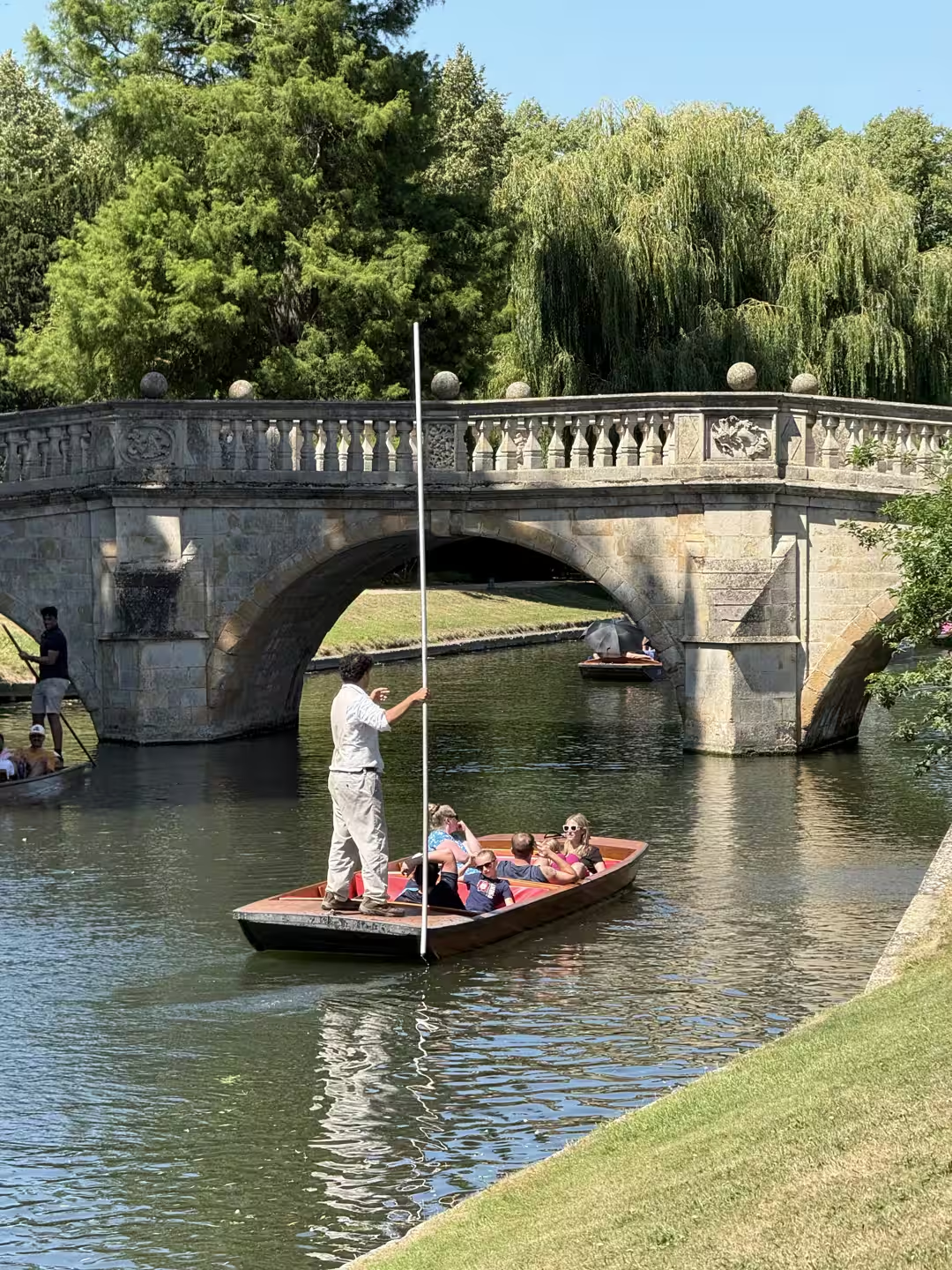
The single biggest mistake beginners make is treating the pole like an oar, jabbing it left and right to turn. That just sends you zig-zagging. The pole does two jobs in sequence: push for power, then trail behind you to correct your line. Once you separate those two actions in your head, everything calms down.
Where you stand matters too. The flat platform at the back, often called the till, is your spot. Some operators and traditions put you at the front, but the back gives you better control over the steering. Keep your weight centred, your knees soft, and let go of the pole if it ever leans back past you rather than fighting to hold on, which is how people end up in the water.
| Step | What to do | Why it works |
|---|---|---|
| Stand at the back | Plant your feet on the flat deck, knees soft | Gives you control and a stable base |
| Drop the pole | Let it slide straight down to the riverbed beside you | A vertical pole pushes you forward, not sideways |
| Push gently | A smooth, even push, not a heave | Sudden force tips the boat and tires you out |
| Let go in time | Release if the pole leans back past you | Stops you being pulled off the deck |
| Trail to steer | Drag the pole in the water behind you like a rudder | Trailing corrects your line; stabbing spins you |
| Duck the bridges | Lower yourself well before the low arches | The Cam's bridges are lower than they look |
What are the rules and where can you go?
Self-hire punts stick to the central College Backs stretch, which is where the famous views are. Wear non-slip shoes, take the buoyancy aids if offered, keep to a maximum of six per boat, and stay right to let chauffeured punts and faster traffic pass. There is no licence and no test, just a short staff briefing before you push off, but you are expected to punt sensibly and give way.
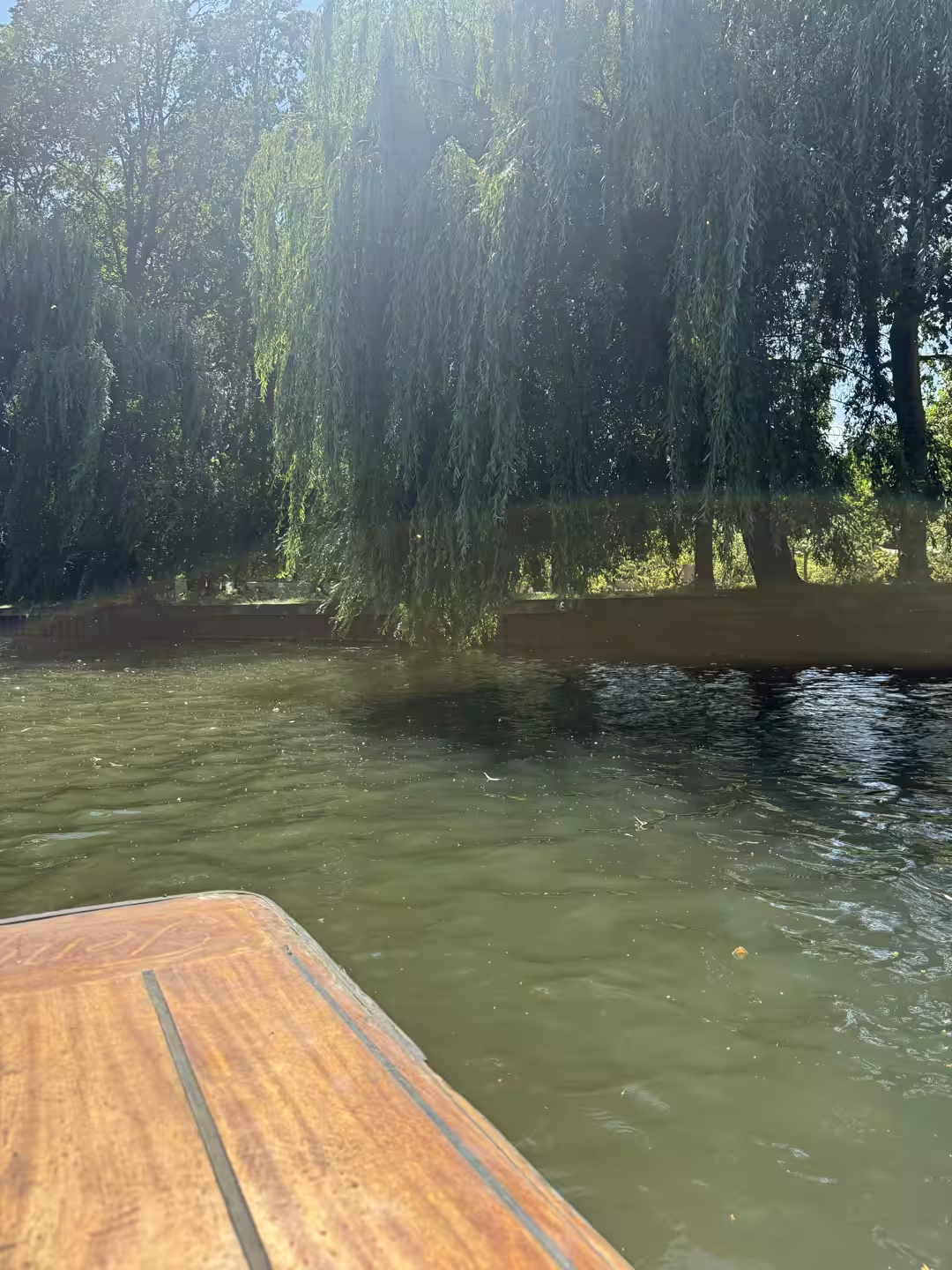
The Backs is the postcard route, and it is also where everyone else wants to be, so river etiquette is half the skill. Keep to the right, do not block the narrow bridge arches, and give chauffeured tours room, because their guides are working and often carrying a full boat. A bit of courtesy keeps the whole stretch moving and stops the bottlenecks that ruin a sunny afternoon.
Safety is mostly common sense, but two points are worth flagging. Non-slip shoes genuinely matter, because the deck gets wet and a slip is how most dunkings start. And the bridges are lower than they look from the bank, so duck early and duck low. The River Cam is shallow on this stretch, which is reassuring, but cold water and a heavy soaked phone are nobody's idea of fun. Cambridge City Council keeps the official guidance on punting and river use if you want the formal version.
What do beginners get wrong, and how do you fix it?
The classic errors are gripping a leaning pole instead of letting go, jabbing the pole to steer instead of trailing it, standing in the wrong spot, and underestimating how long it takes to learn in busy summer traffic. Each one has a simple fix, and knowing them in advance turns a chaotic first hour into a smooth one.
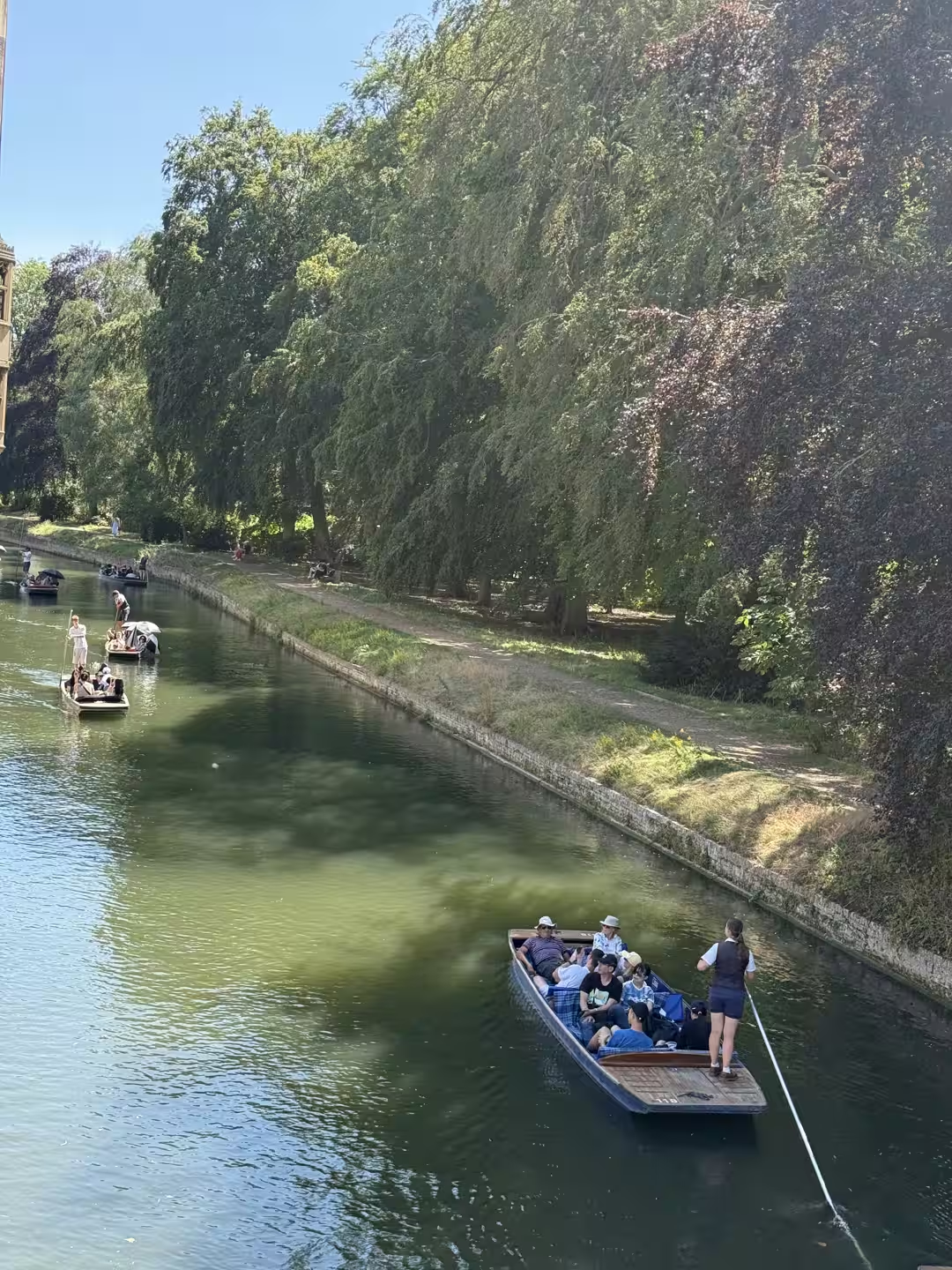
None of these are hard to avoid once you know they are coming. The trouble is that they all arrive at once in the first five minutes, when you are nervous and the boat is drifting toward someone's lunch. Slow everything down, accept that the opening stretch will be wobbly, and the rest of the hour gets much better. For a wider sense of what your time on the water feels like, what to expect first time punting in Cambridge walks through the whole experience.
| Common mistake | What happens | The fix |
|---|---|---|
| Holding a leaning pole | You get pulled off the deck | Let go early; a lost pole is cheaper than a swim |
| Stabbing to steer | The punt zig-zags and spins | Push, then trail the pole behind you as a rudder |
| Standing in the wrong place | Poor control, wobbly balance | Stand centred on the flat deck at the back |
| Learning at peak time | Crowded river, no room for errors | Go for the first or last slot, not mid-afternoon |
| Not ducking the bridges | A nasty knock under low arches | Lower yourself well before each bridge |
So, is self-hire the right call?
For a patient, game group it is a brilliant, cheap afternoon and a proper story to take home. For most first-timers who came to see Cambridge rather than wrestle a pole, a chauffeured tour delivers more of what they actually want. Be honest about which camp you are in, and you will pick the right one.
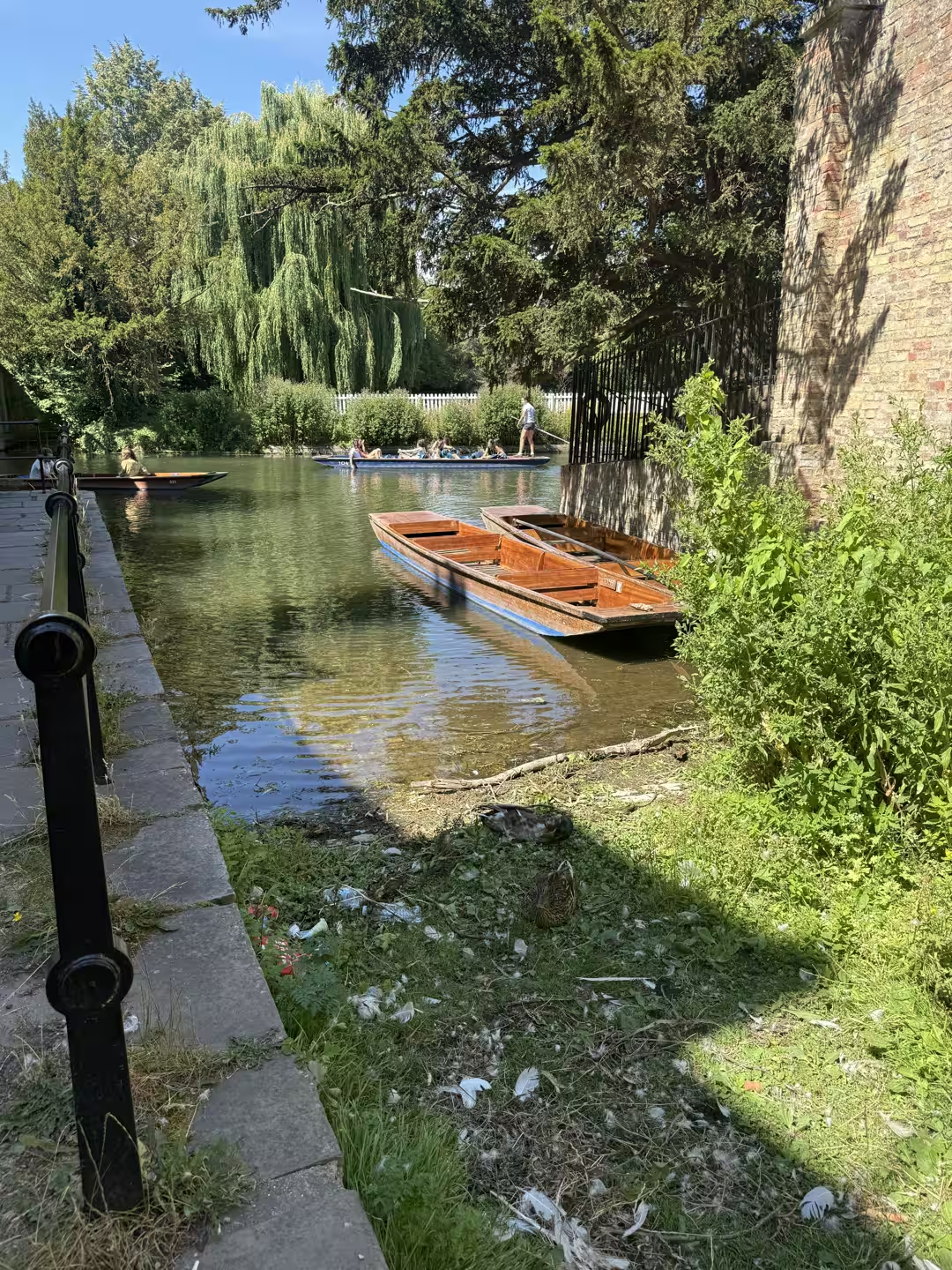
I love self-hire for what it is, which is a hands-on challenge with a great payoff once it clicks. But I send far more visitors to a guided seat, because the thing that makes punting special is the view of the colleges from the water and the stories that go with them, and you miss most of that while you are learning to steer. If that is what you are after, the Cambridge Shared Punting Tour is the one I point people to, and you can check live availability and prices on the official listing. Either way, the river gives you a side of Cambridge the streets never will.